Written By

May is American Wetlands Month—a time to celebrate the many ways wetlands support communities and wildlife across the United States.
Wetlands support an incredible number of species, including many that are listed as threatened or endangered. These habitats provide food, shelter, breeding habitat, nesting areas, and migration stopovers for wildlife that need healthy water and intact ecosystems to survive. Learn about some of the species of wildlife that call wetlands home.
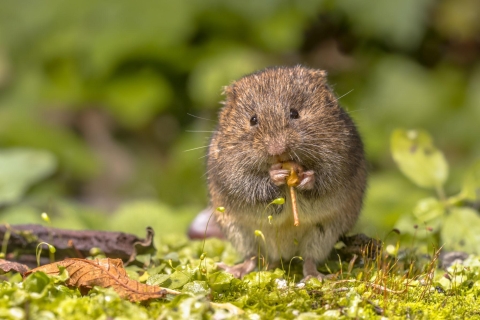
Florida salt marsh salt marsh
Salt marshes are found in tidal areas near the coast, where freshwater mixes with saltwater.
Learn more about salt marsh vole (Microtus pennsylvanicus dukecampbelli)
The Florida salt marsh vole is a small (178 to 198 millimeters in total length), short-tailed rodent with a blunt head and short ears. Discovered in 1979, the Florida salt marsh vole is one of the most elusive endangered mammals in the United States. Their peak breeding activity begins in spring and lasts through the summer.
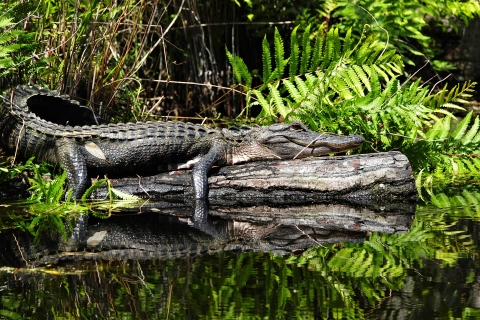
American Alligator (Alligator mississippiensis)
American alligators can weigh over 1,000 pounds and live up to 50 years in the wild. They also can grow up to 3,000 teeth in a lifetime, though they only have between 74 and 80 teeth in their mouth at a time. As temperatures rise in April, alligators become much more active signaling the official start to mating season.
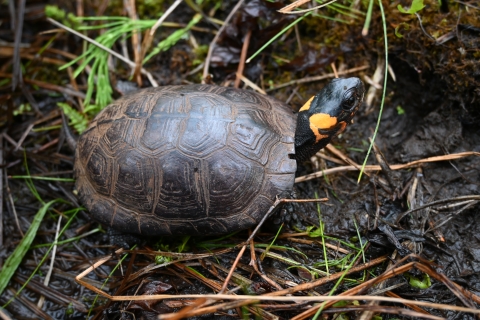
Bog Turtle (Glyptemys muhlenbergii)
The bog turtle is the smallest turtle species in North America, reaching a maximum length of 4.5 inches. They have a distinctive orange spot on each side of their head and neck. They live in bogs, swamps, and wet meadows. The turtles emerge from hibernation in late March to April.
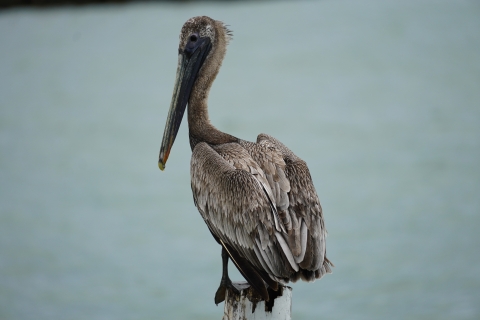
Brown Pelican (Pelecanus occidentalis)
Once endangered, due in part to the use of DDT, brown pelicans have made a remarkable recovery following the pesticide’s ban. The first national wildlife refuge national wildlife refuge
A national wildlife refuge is typically a contiguous area of land and water managed by the U.S. Fish and Wildlife Service for the conservation and, where appropriate, restoration of fish, wildlife and plant resources and their habitats for the benefit of present and future generations of Americans.
Learn more about national wildlife refuge , Pelican Island in Florida, was created to protect brown pelicans and other birds. Springtime is peak breeding season for brown pelicans. They build nests and lay two to four eggs and incubate the eggs with their feet.
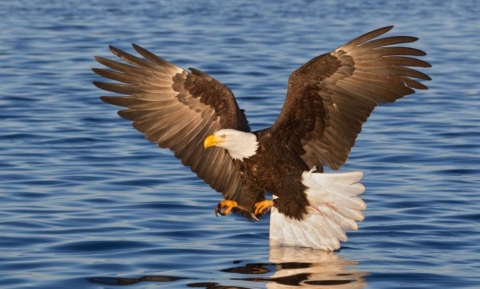
Bald Eagle (Haliaeetus leucocephalus)
Bald eagles can often be found in wetlands, near rivers and lakes, or on the coast throughout North America. For much of the 20th century, seeing a bald eagle in the wild was rare. Like many bird species, bald eagles were impacted by the pesticide DDT and loss of habitat. After the ban on DDT use, bald eagle numbers rebounded. Springtime is a great time to see bald eagles in their nests caring for young eaglets.
Written By