Written By

In northeast Illinois, nestled amongst the urban development of North Chicago and Waukegan is a 607-acre oasis of the Greenbelt Forest Preserve, a natural area owned and maintained by the Lake County Forest Preserve District. Greenbelt Forest Preserve offers 9 miles of hiking, biking, and cross-country skiing trails for public enjoyment. The management of this natural area is an ongoing effort to protect the unique natural ecosystems and resident species like monarch butterflies and rusty patched bumble bees from threats by invasive species invasive species
An invasive species is any plant or animal that has spread or been introduced into a new area where they are, or could, cause harm to the environment, economy, or human, animal, or plant health. Their unwelcome presence can destroy ecosystems and cost millions of dollars.
Learn more about invasive species .
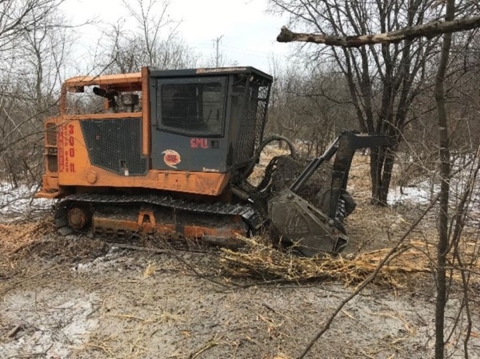
The U.S. Fish and Wildlife Service’s Coastal Program is working in collaboration with the Lake Country Forest Preserve District (District) and the Great Lakes Restoration Initiative (GLRI). Our efforts recently resulted in restoring 43 acres of wetland and surrounding upland areas along the headwaters of the Skokie River. A mutually beneficial relationship between the Coastal Program and the District, more than a decade in the making, has resulted in over 195 acres of habitat restoration at Greenbelt Forest Preserve. This latest project focused on the removal of invasive plants that have displaced native vegetation. The invasive plants, including teasel, Canada thistle, canary grass, buckthorn, and common reed were taking over wetland and adjacent upland habitat, crowding out native shrubs and wildflowers used by migratory birds and pollinators, and reducing the overall quality of habitat in the area.
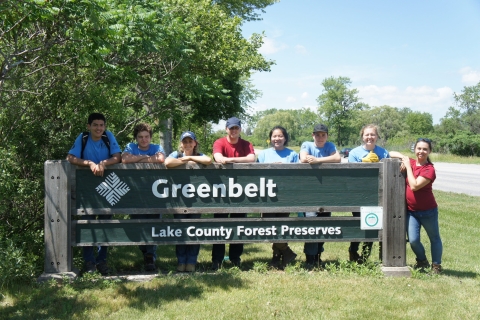
With funding from the Coastal Program and GLRI, the District supported staff and coordinated volunteers to remove 43 acres of invasive plant species and then plant more than 1,100 pounds of native seed and nearly 9,000 native plant plugs to restore the habitat. Volunteers, including a local Youth Conservation Corps, contributed more than 2,400 hours to complete this work alongside District staff and contractors. The District also hosted monthly volunteer workdays to engage the local community and educate participants on identifying and removing invasive plants and the benefits of supporting native plant communities. By providing on-site outdoor educational and land stewardship opportunities to the local communities, the District is helping to promote public participation in the protection and management of rare native plant and animal communities for the enjoyment and benefit of the public.

These efforts to remove invasive plants and restore native plants will not only improve habitat for monarch butterflies, eastern prairie fringed orchids, rusty patched bumble bees, and migratory birds including blue-winged warbler, marsh wrens, willow flycatchers and more, but will also improve the water quality of Skokie River, which connects to the Chicago River and the Great Lakes.
An extraordinary update to these restoration efforts included a 2024 survey that documented a new occurrence of the federally endangered rusty patched bumble bee in the project area. With continued support from GLRI, the Coastal Program is working with Lake County Forest Preserve District, the Great Lakes Restoration Initiative, and local communities to maintain and protect this unique natural ecosystem and public recreation area for generations to enjoy.