As part of the Flags Across America initiative for America’s 250th anniversary, the U.S. Fish and Wildlife Service is sharing stories from the places where our commemorative flags have traveled. From historic hatcheries to vibrant refuges, each stop celebrates conservation as an enduring American value. Join us as we highlight the lands, waters, and wildlife that connect our nation’s past, present, and future.
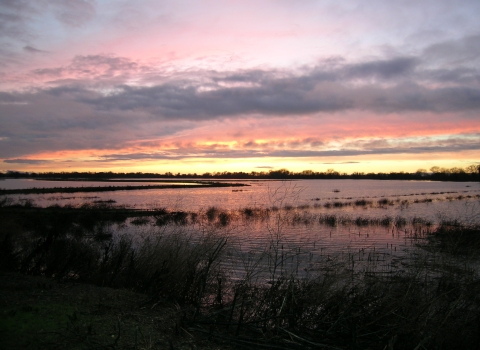
Great Swamp National Wildlife Refuge rests just 26 miles west of New York City’s Times Square, yet it feels worlds away. Spread across 12 square miles of protected wetlands and forests, the refuge is a natural sanctuary tucked inside a mostly suburban region of northern New Jersey. But, despite being nestled at the edge of one of the country’s most populated corridors, Great Swamp National Wildlife Refuge provides an oasis where visitors may interact with the natural environment through hunting, photography, hiking, birding and even an auto tour.
As part of the Lenape National Wildlife Refuge Complex, Great Swamp’s dedicated staff manages habitat restoration, conducts scientific research, maintains grasslands, and provides nesting structures to support wildlife and migratory birds throughout the seasons. Their work helps foster public stewardship across a landscape shaped by the Passaic River and framed by swamp woodlands, hardwood ridges, and grasslands alive with birdsong and the rustle of tall cattails.

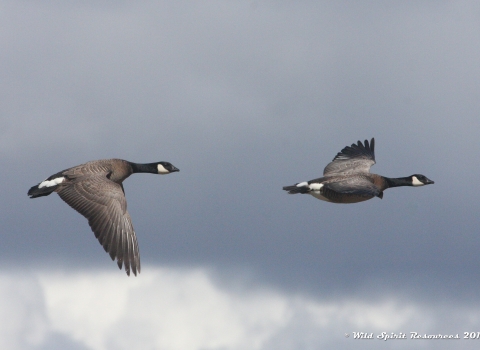
More than 244 species of birds have been recorded on the refuge, from mallards and wood ducks to migrating teal, buffleheads, and pintails. The refuge is also home to 39 mammal species, such as river otters, beavers, coyotes, white‑tailed deer and red foxes. And, there are 10 bat species, including the endangered Indiana bat. Within the swamp’s ponds and marshes, visitors may also spot painted turtles, spring peepers, or even the rare spotted turtle.

“Amid one of the most densely populated regions of the country, Great Swamp National Wildlife Refuge remains a vital sanctuary—conserving critical habitat for wildlife while serving as an enduring resource and refuge for nearby communities,” noted Deputy Refuge Manager Anna Bisson.

The story of Great Swamp National Wildlife Refuge’s landscape is as diverse as the wildlife that thrives within it. Nearly 25,000 years ago, the Wisconsin Glacier reached its southernmost point and created what eventually would become Great Swamp. As the glacier melted and Lake Passaic drained, it left behind a rich mosaic of wetlands and forests. The Lenni Lenape people lived here for more than 12,000 years, relying on the swamp’s abundant fish, game, and plant life and, later, in the 1700s, Euro‑American settlers harvested timber for shipbuilding and iron production, recognizing the swamp as a valuable natural resource.
During the Revolutionary War, the swamp played a quiet but critical role. Its wetlands, forests, and the rugged Watchung Mountains formed a natural defense around General George Washington’s encampment in Morristown, helping shield the Continental Army from British forces based in New York. By the mid‑20th century, the swamp faced new threats, including flood‑control projects and, most dramatically, the proposed construction of a major jetport in 1959. Local residents rallied, raising more than a million dollars to purchase the property. Their efforts led to the establishment of Great Swamp National Wildlife Refuge in 1960 and, a few years later, half the refuge was designated as the nation’s first Wilderness Area on Department of the Interior lands.
Now, Great Swamp National Wildlife Refuge stands as both a living ecosystem and an open‑door invitation to explore. Visitors may chat with the Friends of Great Swamp volunteers who staff the Helen C. Fenske Visitor Center, wander the almost 11.5 miles of foot access trails, explore the boardwalks at the Wildlife Observation Center or stroll the White Oak Trail in search of wildlife and wildflowers. This historic refuge offers an experience that is unforgettable and serves as a reminder that even in this busy Northeastern landscape, wild places still exist and are waiting to be discovered.
Next up, we follow the flags to Lahontan National Fish Hatchery, which produces the Pilot Peak strain Lahontan cutthroat trout for recovery and recreational fishing opportunities in the Pyramid, Tahoe and Walker Lake Basins. Stay tuned for the next chapter on this historic tour!