Written By

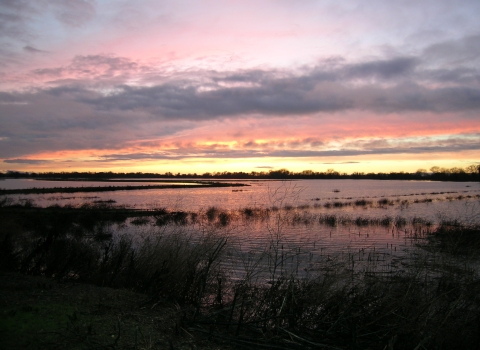
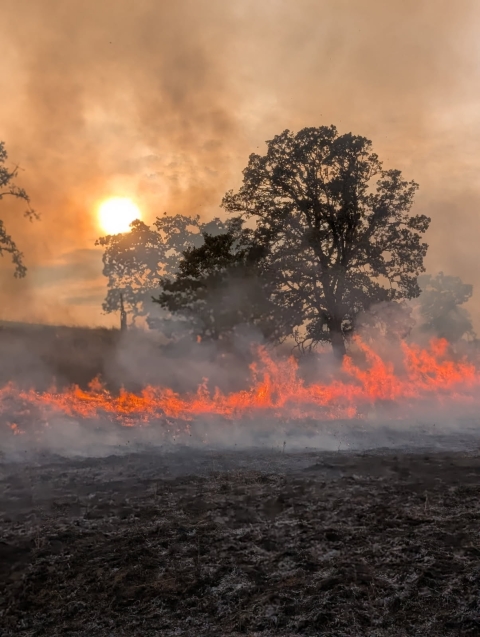
Oregon’s Willamette Valley is a place where nature and community thrive together. This vibrant region is home to approximately 70 percent of the state’s population. The landscape, 90 percent of which is privately owned, is a mosaic of ecologically and economically valuable lands boasting a wide variety of habitats, including imperiled oak savannas, wetlands, prairies, and floodplains in the Willamette River Basin. These areas provide fertile grounds for growing a variety of crops as well as essential habitats for species listed under the Endangered Species Act (ESA), native pollinators, and migratory birds. For generations, the land was maintained by human-managed fires but now faces threats from overgrowth of invasive species invasive species
An invasive species is any plant or animal that has spread or been introduced into a new area where they are, or could, cause harm to the environment, economy, or human, animal, or plant health. Their unwelcome presence can destroy ecosystems and cost millions of dollars.
Learn more about invasive species and fragmentation. With less than one percent of historic prairie habitats remaining, active management is crucial to their survival.
In the Willamette Valley, the U.S. Fish and Wildlife Service’s (Service) commitment to community-based conservation, including the Partners for Fish and Wildlife (PFW) Program, has resulted in successful recovery of multiple threatened and endangered species. These successes are rooted in an approach that emphasizes locally based staff, flexibility, hands-on support for local landowners and combining the shared expertise of various stakeholders.
Notable Recovery Accomplishments
Collaborative efforts have led to significant recovery milestones. The Oregon chub was recovered in 2015, marking the first fish to be recovered under the ESA. Bradshaw’s desert parsley was recovered in 2021, and the golden paintbrush and Nelson’s checkermallow were both recovered in 2023. Fender’s blue butterfly was downlisted to threatened in 2023, marking the first downlisting of a butterfly in ESA history. These achievements demonstrate the power of collaborative conservation efforts leading to the successful recovery of endangered species that thrive on private lands.
The PFW Program staff are based locally in the Willamette Valley and have been active for over 25 years. They have established themselves as technical experts in habitat management and restoration and directly implement some of the restoration work. Local partners including Natural Resources Conservation Service (NRCS), soil and watershed conservation districts, watershed councils and other non-governmental organizations collaborate on strategic planning, outreach and funding efforts. Moreover, private landowners play a crucial role in these efforts and have become key local representatives for conservation. Through the collaborative effort, landowners receive assistance with monitoring and reporting, plant materials, and contracted services for project implementation.
To support recovery efforts on private lands, PFW Program staff work closely with Service recovery biologists and landowners to develop voluntary conservation agreements that support habitat restoration for federally listed and at-risk species. These agreements provide participating landowners with certainty and flexibility while helping advance long-term conservation goals across the Willamette Valley.
The expertise of the PFW Program team in habitat management, their access to National Wildlife Refuge equipment, and their ability to provide plant materials and contracted services through cooperative agreements are vital to the success of these conservation projects. This hands-on approach, combined with the PFW Program's flexible and non-regulatory nature, allows the Service to drive restoration investments at the ground level with individual landowners. The interpersonal relationships that develop are immeasurable for expanding the conservation footprint to neighbors and developing a shared understanding of compatible uses for working lands. As a result, many of these landowners have become conservation leaders in their communities.


For more information on some of these conservation successes visit the following:
- Public/Private Partnerships Restore Willamette Valley Wildlife Habitat (story by the NRCS)
- Partnerships Make Conservation Possible in Oregon’s Treasured Willamette Valley (story by the USFWS)
- Oregon Chub Proposed as First Fish to be Removed from Endangered Species List Due to Recovery (press release by the Department of Interior)
Willamette Valley Refuge Complex – Conservation Area Information:
- The Final Willamette Valley Conservation Area Land Protection Plan
- Video on the Willamette Valley Conservation Area