


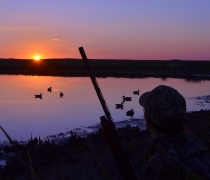
The FWS is seeking public review and comment on the proposed opening or expansion of hunting and/or fishing. The public is invited to review the draft documents, including draft plan(s), compatibility determination(s) as appropriate, and environmental compliance documentation. The draft documents are available through the Federal Register docket number: FWS–HQ–NWRS–2026–1223.
The comment period on the proposed hunting and sport fishing regulations across Service-managed lands and waters will stay open for 30-days from May 27 through June 26, 2026. Please submit your comments directly through the Federal Register.
The comment period on the Environmental Assessment for actions at this field station will stay open for 30 days from May 27 through June 27, 2026. Please submit your comments via email to [email protected] with the name of the refuge or hatchery in the subject line.
Visit Us
National wildlife refuges offer us all a chance to unplug from the stresses of daily life and reconnect with our natural surroundings. Clarence Cannon National Wildlife Refuge provides photography opportunities, hiking and viewing of wildlife.
Location and Contact Information
Our Species
The Mississippi River valley serves as one of the most important bird migration corridors in North America. Riverine wetland habitats offers migrating birds essential food and cover along their journey. Nearly 300 bird species, including waterfowl, hawks, eagles and herons, visit the refuge during migration.