


Please note these updates -
County Road 5 Resurfacing
From June 1–30, Sherburne County will be resurfacing the entire stretch of County Road 5 through the refuge. Traffic will be reduced to one lane but access to the Prairie’s Edge Wildlife Drive should remain mostly unaffected. As part of this project, a new northbound turn lane will be added at the Wildlife Drive entrance.
Wildflower Blooms
Wildflowers will be blooming throughout the summer across the refuge. For the latest sightings, explore iNaturalist wildflower observations or call Refuge Headquarters at 763‑389‑3323.
Lupine Season: Native sundial lupine is now in bloom at Sherburne National Wildlife Refuge. Peak viewing is expected in early to mid‑June near the Prairie Trail on the Prairie’s Edge Wildlife Drive and on the Beaver Lodge Loop Trail near the Oak Savanna Learning Center. While visiting, please stay within 100 feet of trails and the Wildlife Drive, avoid disturbing vegetation by not collecting flowers or seeds and by watching your step, and follow posted traffic signs on the Wildlife Drive, including one‑way travel and the 20 mph speed limit.
Summer Events
Join us for free, family friendly programs and guided walks happening throughout the season. Explore upcoming activities and event details on the Events Page.

Visit Us
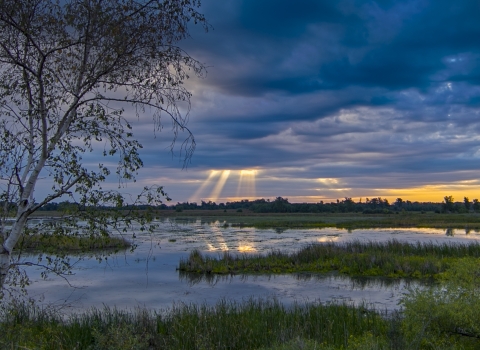
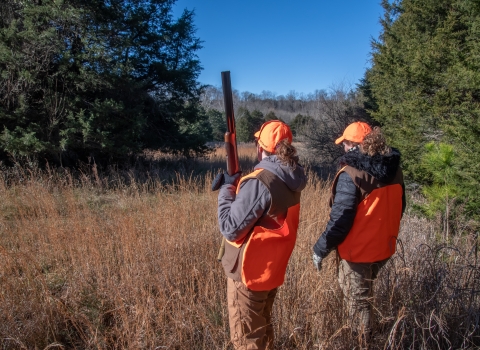
The refuge offers people a chance to unplug and relax. Locals can enjoy regular trips to the refuge and enjoy the change of seasons. Twin Cities residents can make the short drive north for a daytrip in nearby nature. Everyone is welcome to enjoy the wide variety of activities available at the refuge.
Location and Contact Information
About Us
Every national wildlife refuge national wildlife refuge
A national wildlife refuge is typically a contiguous area of land and water managed by the U.S. Fish and Wildlife Service for the conservation and, where appropriate, restoration of fish, wildlife and plant resources and their habitats for the benefit of present and future generations of Americans.
Learn more about national wildlife refuge was created for a special purpose. Some were created to protect migratory birds, others to protect threatened or endangered species or unique habitats, while others fulfill another special purpose. All activities allowed on refuges must be evaluated to make sure each activity will not conflict with the reason the refuge was founded.
Sherburne serves as an inviolate sanctuary for migratory birds. The Migratory Bird Hunting and Conservation Act uses money from Duck Stamp sales to purchase refuge lands, and over 95% of the refuge was purchased using these funds. Many lands purchased with Duck Stamp funds were defined as inviolate sanctuaries. These lands, under most circumstances, must be at least partially closed to migratory bird hunting to allow birds a place of refuge and protection where they cannot be harmed.
What We Do
The National Wildlife Refuge System is a series of lands and waters owned and managed by the U.S. Fish and Wildlife Service. Wildlife conservation is at the heart of the refuge system. It drives everything we do from the purpose a refuge is established, to the recreational activities offered there, to the resource management tools we use. Selecting the right tools helps us ensure the survival of local plants and animals and helps fulfill the purpose of the refuge.
- Prescribed fire
- Water level management
- Forest management
- Invasive species management
- People management
- Research, inventory and monitoring
Our Species
Predominately composed of oak savanna, the refuge supports a wide variety of wildlife, ranging from sandhill cranes to badgers to wild lupine. Bald eagles, Canada geese, wild turkeys and trumpeter swans are great success stories; once rare or eliminated from the refuge, they are now spotted on a regular basis. Red-headed woodpeckers, plains hog-nosed snakes and state-threatened Blanding’s turtles have found their niche at the refuge, especially important as the available habitat has declined over the decades.
Get Involved
Whether you want to further conservation, learn more about nature or share your love of the outdoors, you’ve come to the right place. National wildlife refuges provide many opportunities for you to help your community by doing what you love. National wildlife refuges partner with volunteers, youth groups, landowners and neighbors to make a lasting difference. Find out how you can help make American lands healthier and communities stronger while doing something personally satisfying.