


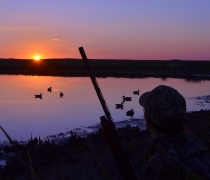
The FWS is seeking public review and comment on the proposed opening or expansion of hunting and/or fishing. The public is invited to review the draft documents, including draft plan(s), compatibility determination(s) as appropriate, and environmental compliance documentation. The draft documents are available through the Federal Register docket number: FWS–HQ–NWRS–2026–1223.
The comment period on the proposed hunting and sport fishing regulations across Service-managed lands and waters will stay open for 30-days from May 27 through June 26, 2026. Please submit your comments directly through the Federal Register.
The comment period on the Environmental Assessment for actions at this field station will stay open for 30 days from May 27 through June 27, 2026. Please submit your comments via email to [email protected] with the name of the refuge or hatchery in the subject line.
Visit Us

From photography to hiking, there are many wonderful adventures to experience at Grays Lake! The Refuge is a considerable distance from most amenities, and visitors should plan accordingly.
Location and Contact Information
About Us

The large expansive wetland habitats within this montane marsh attract numerous bird species, including waterfowl, shorebirds, and wading birds, including the largest breeding concentration of Sandhill cranes in North America. The Service has documented almost 250 species of birds on the Refuge, of which approximately 100 species known to nest within its boundaries. The Refuge provides significant habitat for breeding waterfowl in the late spring and early summer, and nesting habitat for colonial birds, including a large mixed colony of white-faced ibis and Franklin’s gulls.
Our Species
Cranes use Grays Lake as a stopover site during their migration and a segment of the Rocky Mountain Population nests and rears colts along the edges of the marsh. Refuge staff manage habitats to provide for the life requirements of these birds.
Get Involved
National wildlife refuges provide many opportunities for you to help your community by doing what you love. National wildlife refuges partner with volunteers, youth groups, landowners, neighbors and residents of urban and coastal communities to make a lasting difference.