


Due to heavy rains the past couple of weeks and high water levels in the Pearl River the
upcoming Youth Fishing Rodeo at the Bogue Chitto National Wildlife Refuge has been
canceled.
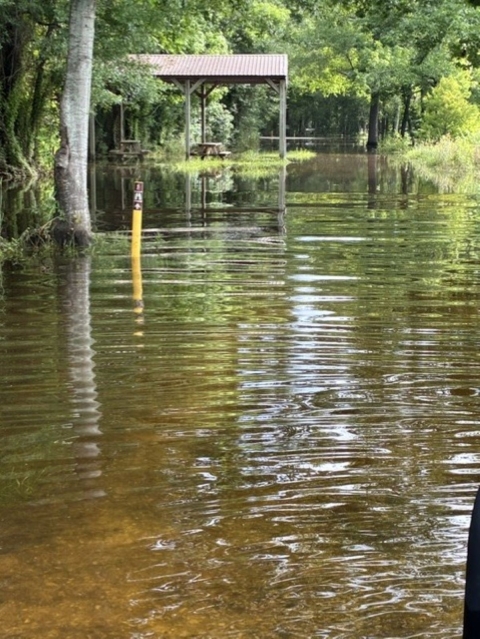
The Jim Schmidt Boardwalk and Trail, youth fishing rodeo site location, has been underwater for
over a week. In addition, water at the I-59 Service Road (Atlas Road), is impassable for vehicles
in some locations. All areas must be assessed before reopening the site to public access. With the
Pearl River still running high and more rain forecast throughout the week, we have made the
difficult decision to cancel this year’s youth fishing rodeo. This action has been taken for the
safety of Refuge visitors and the volunteers and staff who work the event.
If you had a child(ren) registered for the event, please be patient as the Friends of Louisiana
Wildlife Refuges, Inc., the Refuge’s support group, will be reaching out about reimbursement of
registration fee(s). Your patience is appreciated. If you have questions please reach out to the
Friends at [email protected].
River levels on the Pearl River can be checked through the National Weather Service office in
Slidell, Louisiana at 985-649-0357, select option 1, then option 3, then 2 or at Pearl River near
Pearl River.
Boaters are advised to use extreme caution during high river levels.
For more information, please contact the refuge headquarters at 985/882-2000.
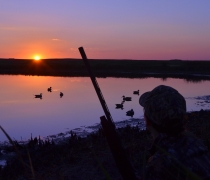
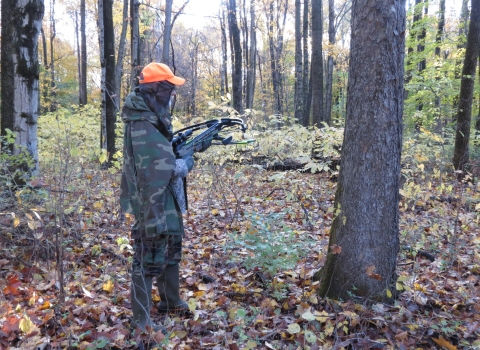
The FWS is seeking public review and comment on the proposed opening or expansion of hunting and/or fishing. The public is invited to review the draft documents, including the draft plan(s), compatibility determination(s) as appropriate, and NEPA compliance documentation. The draft documents are available through the Federal Register docket number: FWS–HQ–NWRS–2026–1223.
The comment period on the proposed hunting and sport fishing regulations across Service-managed lands and waters will stay open for 30-days from May 27 through June 26, 2026. Please submit your comments directly through the Federal Register.
Visit Us
Located along the Louisiana-Mississippi line approximately 40 miles north of New Orleans, the refuge encompasses 36,500 acres of the Pearl River Basin, most of which is accessible only by boat. The refuge is a popular place to enjoy fishing, hunting, paddling, bird watching and nature photography. There is a family-friendly disabled-accessible fishing area and picnic pavilion located at the Pearl River Turnaround in Louisiana. The Jim Schmidt Interpretive Boardwalk at this location explores a classic flood plain cypress forest. Several free boat launches provide access to the refuge from Louisiana and Mississippi.
Location and Contact Information
About Us
Bogue Chitto National Wildlife Refuge conserves bottomland hardwood forest habitat, which has significantly diminished in the Mississippi River Delta over the last century. The refuge provides habitat for species of concern such as the Gulf sturgeon, gopher tortoise, the ringed sawback turtle, and the swallow-tailed kite.
What We Do
Wildlife conservation is at the heart of the National Wildlife Refuge System. It drives everything on U.S. Fish and Wildlife Service lands and waters managed within the Refuge System, from the purposes for which a national wildlife refuge national wildlife refuge
A national wildlife refuge is typically a contiguous area of land and water managed by the U.S. Fish and Wildlife Service for the conservation and, where appropriate, restoration of fish, wildlife and plant resources and their habitats for the benefit of present and future generations of Americans.
Learn more about national wildlife refuge is established, to the recreational activities offered, to the resource management tools used. Using conservation best practices, the Refuge System manages Service lands and waters to help ensure the survival of native wildlife species.
Our Species
Bogue Chitto National Wildlife Refuge is one of the most undisturbed wild swamplands in the country. Unique plant and animal communities adapted to the seasonal floods of the Mississippi Delta area thrive here.
Projects and Research
Refuge staff use a variety of resource management techniques to maintain, recover or enhance plants and wildlife and the habitats they rely on. Prescribed burning and controlling invasive species invasive species
An invasive species is any plant or animal that has spread or been introduced into a new area where they are, or could, cause harm to the environment, economy, or human, animal, or plant health. Their unwelcome presence can destroy ecosystems and cost millions of dollars.
Learn more about invasive species are key ways we help native plants and wildlife to thrive on the refuge.