


The Agassiz National Wildlife Refuge is seeking public review and comments regarding a draft environmental assessment for the Mud River Enhancement Project. This project will improve migratory bird habitat and enhance natural riverine riparian riparian
Definition of riparian habitat or riparian areas.
Learn more about riparian and flood plain functions on the refuge. Public comment is open June 1 to June 30, 2026.
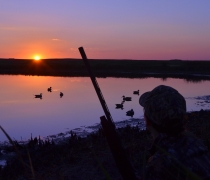
The FWS is seeking public review and comment on the proposed opening or expansion of hunting and/or fishing. The public is invited to review the draft documents, including draft plan(s), compatibility determination(s) as appropriate, and environmental compliance documentation. The draft documents are available through the Federal Register docket number: FWS–HQ–NWRS–2026–1223.
The comment period on the proposed hunting and sport fishing regulations across Service-managed lands and waters will stay open for 30-days from May 27 through June 26, 2026. Please submit your comments directly through the Federal Register.
The comment period on the Environmental Assessment for actions at this field station will stay open for 30 days from May 27 through June 27, 2026. Please submit your comments via email to [email protected] with the name of the refuge or hatchery in the subject line.
Visit Us
Agassiz National Wildlife Refuge is located in northwest Minnesota. Packs of wolves, moose, waterfowl and 300 species of birds make this refuge a wildlife wonderland.
Location and Contact Information
Our Species
Agassiz National Wildlife Refuge provides a haven for many wildlife species. As many as 300 species of birds use the refuge; half of which nest on the refuge. The refuge is home to 49 species of mammals, 12 species of amphibians and 9 species of reptiles.
Get Involved
Whether you want to further conservation, learn more about nature or share your love of the outdoors, you’ve come to the right place. National wildlife refuges provide many opportunities for you to help your community by doing what you love. National wildlife refuges partner with volunteers, youth groups, landowners, neighbors and residents of urban and coastal communities to make a lasting difference. Find out how you can help make American lands healthier and communities stronger while doing something personally satisfying.