


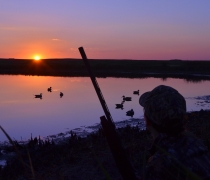
The FWS is seeking public review and comment on the proposed opening or expansion of hunting and/or fishing. The public is invited to review the draft documents, including the draft plan(s), compatibility determination(s) as appropriate, and NEPA compliance documentation. The draft documents are available through the Federal Register docket number: FWS–HQ–NWRS–2026–1223.
The comment period on the proposed hunting and sport fishing regulations across Service-managed lands and waters will stay open for 30-days from May 27 through June 26, 2026. Please submit your comments directly through the Federal Register.
Location and Contact Information
Our Species
Wildlife thrives here and plant life abounds. It's a home and a stopover for about 47 species of mammals, 200 birds, 96 species of butterflies, and much more. The diverse ecosystem boasts communities ranging from bald cypress to red maple and the globally rare Atlantic white cedar.
Get Involved
National wildlife refuges partner with volunteers, youth groups, landowners, neighborhoods and local community members to make a lasting difference. Getting involved at Great Dismal Swamp NWR is a great opportunity to learn new skills and help conserve our public lands. With a variety of opportunities in a wide range of programs, anything from visitor services to habitat management, there is a place for everyone.
Projects and Research
Great Dismal Swamp NWR participates in several on-going regional and national research projects. These include collecting data on hydrological conditions, wildlife populations, forest habitats, invasive species invasive species
An invasive species is any plant or animal that has spread or been introduced into a new area where they are, or could, cause harm to the environment, economy, or human, animal, or plant health. Their unwelcome presence can destroy ecosystems and cost millions of dollars.
Learn more about invasive species , and wildfire. Researchers from universities and other organizations are also welcome to submit proposals for research on the wildlife refuge.