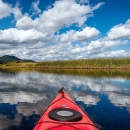
Draft compatibility determinations (CD) for two outdoor recreation activities, boating and biking on Theodore Roosevelt National Wildlife Refuge Complex (Complex) Refuges, are now available for public review and comment for 14 calendar days from May 28, 2026, to June 11, 2026. These activities provide a means of travel and participation in all wildlife-dependent recreation on the nine refuges including hunting and fishing, and wildlife observation.
The documents are available for review in the library section of this webpage. You can find the library tab on the left side of the screen, towards the bottom of the menu. Please let us know if you need the documents in an alternative format. Please submit any comments by June 11, 2026, to Brett Moule, Project Leader, Theodore Roosevelt NWR Complex by email at [email protected]. Concerns expressed during the public comment period may be addressed in the final CD.
The FWS is seeking public review and comment on the proposed opening or expansion of hunting and/or fishing. The public is invited to review the draft documents, including draft plan(s), compatibility determination(s) as appropriate, and environmental compliance documentation. The draft documents are available through the Federal Register docket number: FWS–HQ–NWRS–2026–1223.
The comment period on the proposed hunting and sport fishing regulations across Service-managed lands and waters will stay open for 30-days from May 27 through June 26, 2026. Please submit your comments directly through the Federal Register.
The comment period on the Environmental Assessment for actions at this field station will stay open for 30 days from May 27 through June 27, 2026. Please submit your comments via email to [email protected] with the name of the refuge or hatchery in the subject line.
Visit Us
National wildlife refuges offer us all a chance to unplug from the stresses of daily life and reconnect with our natural surroundings.
Theodore Roosevelt Visitor Center building off highway 61 is now open public visitation on Wednesdays from 9:00 am - 2:00 pm. The Theodore Roosevelt National Wildlife Refuge lands are still CLOSED for hunting and public visitation. Check back for any changes or updates!
Location and Contact Information
About Us
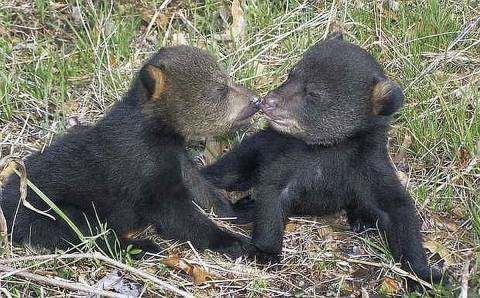
Theodore Roosevelt NWR is located near the site of President Roosevelt’s famous Mississippi bear hunt held in 1902. Although current acreage is very small and the Refuge is closed to the public, it is involved in active land acquisition and will someday offer educational and interpretive information to the public about the former president's legacy in the Delta.
Louisiana black bears, a subspecies of the American black bear, were once extremely common throughout Mississippi, Louisiana, and Texas. President Roosevelt came as the guest of a prominent plantation owner to hunt in southern Sharkey County. Holt Collier, a famous African American bear hunter and outdoorsman, was hired to guide the president on the hunt.
Although some details of the story have become obscured over time, the main details are almost universally agreed upon. Holt Collier’s dogs quickly located a bear and the president and his companion were told to wait on the edge of a canebrake for the bear to come out. When it seemed the dogs were moving in a different direction, President Roosevelt went back to camp for lunch. When the dogs finally cornered the bear, Collier jumped off of his horse and hit the bear in the head with the stock of his rifle, leaving the bear stunned. He then tied a rope around the bear and sent for the president.
When the president arrived, he found a bear that was still knocked senseless. President Roosevelt felt it would be unethical and unsportsmanlike to shoot the bear and refused, despite the urging of his companions. When the national press got word of the story, the news went wild in news stories and cartoons. A toy shop owner in New York decided to stuff toy bears and call them “Teddy’s Bears,” creating an American icon that has lasted for over a century.
Our Organization
Our Species
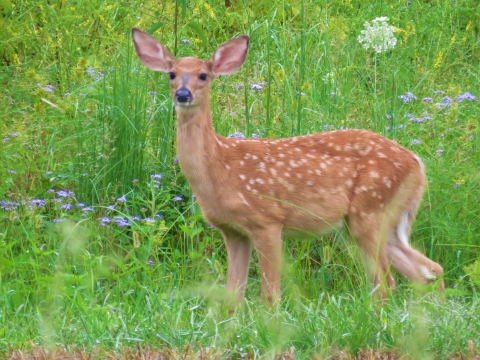
A variety of wildlife call Theodore Roosevelt National Wildlife Refuge home. This includes migratory and resident wildlife, as well as native plant communities.
Our Library
Our digital library is a one stop shop for management plans, coloring books, and other refuge documents as they are developed.