


OPERATING HOURS: The Visitor Center, The Wildlife Observation Building, the Photography Blinds, Atkeson Cypress Boardwalk, and Visitor Center grounds are currently open Tuesday-Saturday, 9:00-4:00, March-October. Closed on the Junteenth (6/19) and Independence Day (7/3) federal holidays. Please visit the "Location and Contact Information" section of our website for year-round operating hours.
NEW SEASONAL WATERFOWL SANCTUARY: We’re pleased to share that Wheeler National Wildlife Refuge in Decatur, Alabama will be creating a 335-acre waterfowl sanctuary starting November 15, 2026 through February 28, 2027. This seasonal sanctuary is designed to give wintering waterfowl a peaceful, protected space during one of the most important times of the year. By reducing human disturbance, we’re helping these birds thrive and making your visits even more rewarding for photography, wildlife viewing, and nature appreciation. While a one-mile stretch of road through the Buckeye-Thorsen Arm Unit between HGH Road and JTT Road will be seasonally closed to all public entry, bikers and hikers still have access around the north side of the impoundment, including 20 miles of roads and trails in the surrounding area and 70 miles throughout Wheeler NWR.
More information about the new waterfowl sanctuary will be forthcoming in the 2026-2027 Wheeler NWR Hunting Regulations & Permit, our general regulations brochure, and on the Wheeler NWR website. (All of these documents we anticipate being updated and available by late July).

If you have any questions, we’re happy to help. Just email us at [email protected]. We appreciate your support and look forward to making your experience better!
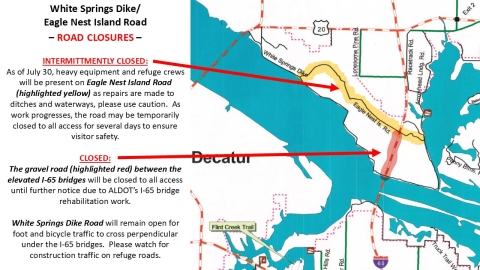
INTERMITTENTLY CLOSED: As of July 30, 2025 heavy equipment and refuge crews may be present on Eagle Nest Island Road (highlighted yellow) as repairs are made to ditches and waterways, please use caution. As work progresses, the road may be temporarily closed to all access for several days to ensure visitor safety.
White Springs Dike Road will remain open for foot traffic and bicycle traffic to cross under the I-65 bridges. Please watch for construction traffic on refuge roads.
Hunt Permits, Refuge Regulations, Maps, Gate Schedules and Guides can be downloaded from https://www.fws.gov/refuge/wheeler/library
Visit Us
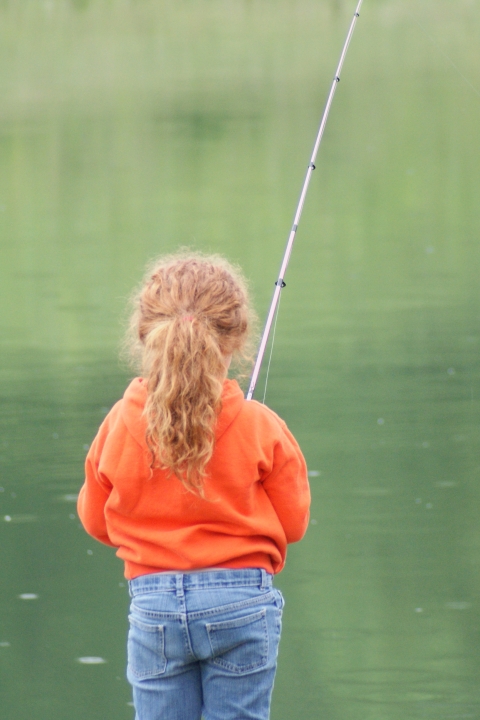
Wheeler National Wildlife Refuge is rich in wildlife and recreation opportunities. Thousands of people come to the refuge each year to enjoy solitude, to commune with nature, and to share the joys of wildlife and being outdoors with family and friends. The refuge Visitor Center and Observation Building are located near each other and should be your priority stop when visiting the refuge for the first time.
Location and Contact Information
About Us
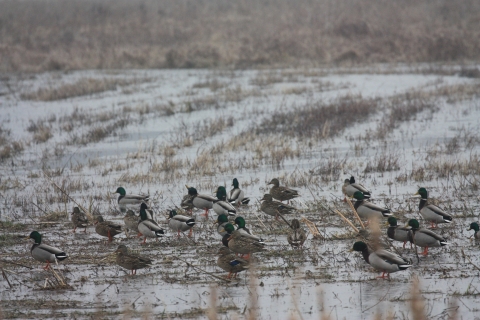
Wheeler National Wildlife Refuge was established in 1938 as a wintering area for ducks, geese and other migratory birds. Today, the refuge attracts thousands of wintering waterfowl and cranes each year. The refuge is also a winter home to the endangered whooping crane who first arrived in 2004.
What We Do
To help plants and wildlife, refuge staff uses a variety of habitat management techniques to maintain, recover, or enhance plant and wildlife values. Refuge staff carefully considers many management techniques and employs them in varying degrees according to the situation.
Our Species
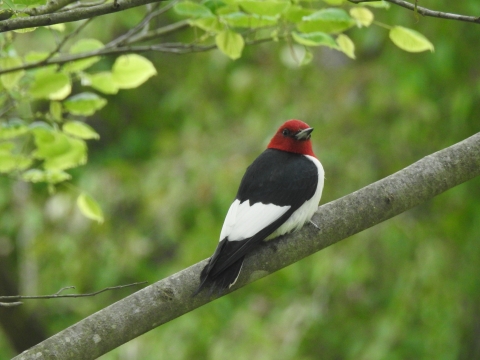
Wheeler National Wildlife Refuge was established as a refuge and breeding ground for migratory birds and other wildlife. A diversity of habitat types provide excellent feeding, resting, and roosting sites for wintering waterfowl and Sandhill Cranes , as well as nesting sites for neotropical migrant birds and many species of resident wildlife.