


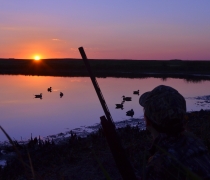
The FWS is seeking public review and comment on the proposed opening or expansion of hunting and/or fishing. The public is invited to review the draft documents, including the draft plan(s), compatibility determination(s) as appropriate, and NEPA compliance documentation. The draft documents are available through the Federal Register docket number: FWS–HQ–NWRS–2026–1223.
The comment period on the proposed hunting and sport fishing regulations across Service-managed lands and waters will stay open for 30-days from May 27 through June 26, 2026. Please submit your comments directly through the Federal Register.

Visit Us
National wildlife refuges offer us all a chance to unplug from the stresses of daily life and reconnect with our natural surroundings. A visit to a national wildlife refuge national wildlife refuge
A national wildlife refuge is typically a contiguous area of land and water managed by the U.S. Fish and Wildlife Service for the conservation and, where appropriate, restoration of fish, wildlife and plant resources and their habitats for the benefit of present and future generations of Americans.
Learn more about national wildlife refuge is a great way to enjoy the great outdoors and discover a new place. Visitors can enjoy the refuge in many ways! Whether you enjoy hiking, canoeing, hunting, wildlife photography or birdwatching a visit to Cypress Creek National Wildlife Refuge is a great way to explore nature.
Location and Contact Information
Our Species
The Cypress Creek National Wildlife Refuge contains a wide variety of flora and fauna. The refuge serves as a winter feeding and resting area for waterfowl. The refuge provides habitat for Indiana bats, an endangered species. Visitors visiting the refuge in the summer season may see many species of songbirds, including prothonotary warblers. Bald cypress and water tupelo trees also find their home in the waterways of Cypress Creek National Wildlife Refuge. One of the best ways to view the swamps is by canoe.