


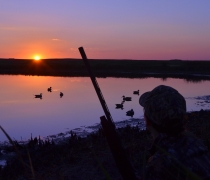
The FWS is seeking public review and comment on the proposed opening or expansion of hunting and/or fishing. The public is invited to review the draft documents, including draft plan(s), compatibility determination(s) as appropriate, and environmental compliance documentation. The draft documents are available through the Federal Register docket number: FWS–HQ–NWRS–2026–1223.
The comment period on the proposed hunting and sport fishing regulations across Service-managed lands and waters will stay open for 30-days from May 27 through June 26, 2026. Please submit your comments directly through the Federal Register.
The comment period on the Environmental Assessment for actions at this field station will stay open for 30 days from May 27 through June 27, 2026. Please submit your comments via email to [email protected] with the name of the refuge or hatchery in the subject line.
Location and Contact Information
About Us
Upper Klamath National Wildlife Refuge
On April 3, 1928, Calvin Coolidge reserved and set apart 7,560 acres of lands to be known as the Upper Klamath Wildlife Refuge, for the use as a refuge and breeding ground for birds and wild animals”. Today Upper Klamath NWR is composed of several units including Hanks Marsh on the south end of Upper Klamath Lake, the Upper Klamath unit on the north end, and the Barnes and Agency Ranch north of the Upper Klamath Unit. The Refuge represents important habitat for a host of waterbirds and are especially important to spring migrating waterfowl.