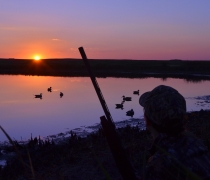
The FWS is seeking public review and comment on the proposed opening or expansion of hunting and/or fishing. The public is invited to review the draft documents, including draft plan(s), compatibility determination(s) as appropriate, and environmental compliance documentation. The draft documents are available through the Federal Register docket number: FWS–HQ–NWRS–2026–1223.
The comment period on the proposed hunting and sport fishing regulations across Service-managed lands and waters will stay open for 30-days from May 27 through June 26, 2026. Please submit your comments directly through the Federal Register.
The comment period on the Environmental Assessment for actions at this field station will stay open for 30 days from May 27 through June 27, 2026. Please submit your comments via email to [email protected] with the name of the refuge or hatchery in the subject line.
Visit Us
The echo of the sandhill cranes through the rolling prairie hills of Long Lake invites today’s visitors to follow in the footsteps of the Plains Indians. Refuge stewards work collaboratively to understand, restore, and protect biological communities. Through wildlife dependent recreation and environmental education opportunities, the Refuge staff hopes to foster a greater understanding and appreciation of the mixed-grass prairie ecosystem and the mission of the National Wildlife Refuge System.
Location and Contact Information
About Us
The area that is now Long Lake National Wildlife Refuge was once home to Plains Indians and early European settlers who camped and hunted waterfowl and other game around Long Lake. The Refuge was established on February 25, 1932 by President Herbert Hoover to provide sanctuary and habitat for migratory birds that use the Central Flyway migration corridor. The Refuge has 22,300 acres and the dominant habitat feature is a 16,000-acre natural, alkaline lake created within the prairie landscape during the most recent ice age. The lake is two miles wide, eighteen miles long and has been separated into three units using dikes and spillways in an attempt to manage water levels and control avian botulism disease outbreaks that have historically occurred.
What We Do
At Long Lake National Wildlife Refuge, staff work to provide the life requirements for waterfowl, other migratory birds, and resident wildlife. Habitat management activities include livestock grazing, prescribed burning, haying, weed control, water level management, and rest. Visitors can enjoy many wildlife-dependent recreational opportunities here.