Senior Fish & Wildlife Biologist
Endangered Species
Expertise
Endangered Species Act,
coastal issues (beach nourishment, dredging),
coastal species (rufa red knot, piping plover, seabeach amaranth)
Area
NJ
Galloway,NJ
Official websites use .gov
A .gov website belongs to an official government organization in the United States.
Secure .gov websites use HTTPS
A lock ( ) or https:// means you’ve safely connected to the .gov website. Share sensitive information only on official, secure websites.
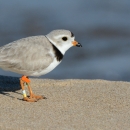
The U.S. Fish and Wildlife Service’s (Service) New Jersey Field Office (NJFO) has worked closely with the New Jersey Department of Environmental Protection’s Endangered and Nongame Species Program (ENSP), beach managers, and many other partners to conserve the piping plover (Charadrius melodus) since the species was federally listed in 1986. These partnerships have spurred many advances and achievements in plover conservation, but recovery in New Jersey remains elusive. This document is provided as technical assistance pursuant to the Endangered Species Act to articulate NJFO recommendations for the next phase in plover recovery in New Jersey—one focused on habitat improvement, which we define to include restoration, enhancement, creation, and maintenance.